Strong storms force people to rethink daily comfort and safety. When the lights go out and streets flood, a house becomes the first line of defense. Families quickly see which habits protect them and which choices leave them exposed. These moments shape long-term thinking in powerful ways.
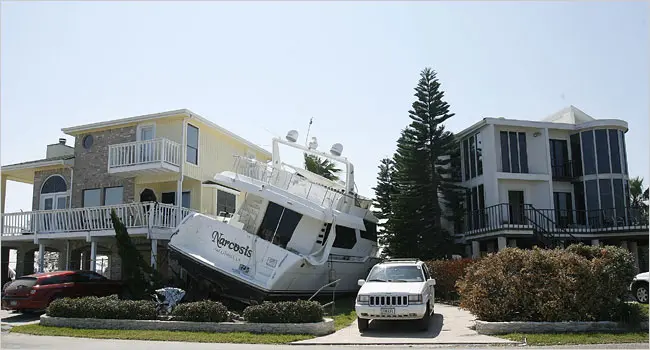
Along the coast, the hurricane ike date marked a turning point in how residents viewed emergency readiness. Many households expected short disruptions and faced long periods without basic services. That contrast changed attitudes about planning at home. The remaining article explains how this storm reshaped ideas about outages, living spaces, and household readiness.
A Wake-Up Call for Long Disruptions
Hurricane Ike caused damage across wide areas, and recovery took more time than many predicted. Roads stayed blocked, repairs moved slowly, and access to supplies remained limited. Residents realized that a few spare items did not cover real needs during long emergencies.
This event pushed families to think in terms of endurance. They began to ask how a house could support daily life without outside help. That mindset replaced short-term thinking with practical, layered preparation that supports calm decision-making.
Electricity Planning Took Center Stage
Power loss affected nearly every part of home life. Cooling systems failed, food spoiled, and medical devices stopped working. After Ike, people placed greater focus on managing electricity needs with care and foresight.
Practical steps households embraced
- Careful planning for limited energy use during outages.
- Safer storage of backup power supplies.
- Home layouts that allow airflow and daylight.
- Routine checks on electrical safety features.
These steps reduced reliance on the grid and improved comfort during long power gaps.
Food and Water Storage Became Essential
The storm revealed how fast supplies disappear when stores close. Refrigerators stopped working, and clean water became scarce in some areas. Families learned that preparation needed structure and consistency. This realization led many households to set clear minimum supply goals based on family size and daily needs.
Homes gained dedicated spaces for water containers and shelf-stable meals. People chose tools that allow cooking without electricity. Many households practiced rotating supplies to keep them fresh. These actions improved confidence and reduced panic during later events.
Simple Technology Helped People Stay Connected
Loss of communication created confusion during the storm. Phones failed, and online access vanished for many residents. Without reliable updates, families struggled to make safe choices. In response, households added simple information tools that work without main power.
Families shared written contact plans and clear meeting locations. Neighborhood cooperation increased as people exchanged updates face-to-face. These changes helped restore a sense of control during uncertain moments. As these habits spread, the hurricane ike date became a reference for how long outages can truly last. It served as a reminder that information access matters as much as physical supplies.
Why Reliable Power Service Matters
An extended loss of electricity made many rethink how they keep lights on and food cold. When power lines fail during a storm, regular energy stops instantly. Residents felt the weight of that reality when hours turned into days with no service.
Clients turned to dependable power service teams for support. Skilled technicians helped homeowners find backup systems that fit their needs and property. Many learned that routine maintenance and fast response make a real difference when weather strikes. Trust in trained service crews grew because they provided guidance, installation, and post-storm support that kept homes running safely during crises.
Hurricane Ike reshaped how families think about extended outages and household readiness. The experience encouraged careful planning, smarter use of resources, and homes that support daily life during disruption. These lessons continue to guide safer living spaces built for strength and stability.
About the Author