
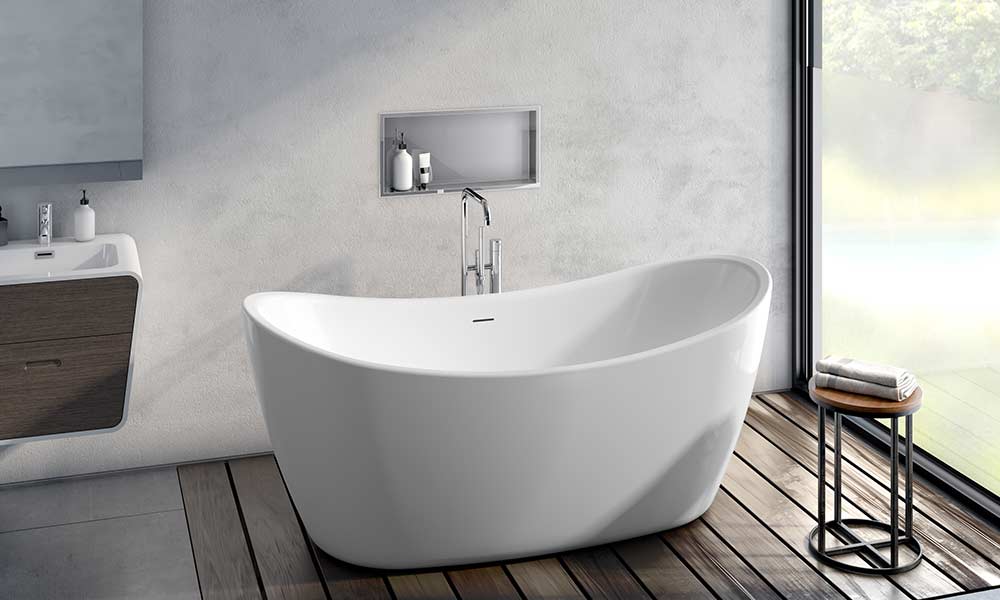
Freestanding bathtubs have become a symbol of luxury, style, and relaxation in modern bathroom design. Beyond their aesthetic appeal, the choice of material plays a crucial role in durability, comfort, and maintenance. For homeowners looking to invest in a freestanding bathtub, understanding the differences between materials such as acrylic, stone, cast iron, and composite options is essential. Choosing materials for freestanding bathtubs carefully ensures that the tub not only complements the bathroom’s design but also meets practical needs for years to come.
Acrylic Freestanding Bathtubs
Acrylic is one of the most popular materials for freestanding bathtubs due to its versatility, affordability, and ease of installation. Acrylic tubs are lightweight, making them ideal for bathrooms where structural support may be limited. They are also available in a wide range of shapes, sizes, and colors, allowing homeowners to customize their bathroom to fit their style preferences.
The smooth, non-porous surface of acrylic makes it easy to clean and maintain. Acrylic tubs retain heat well, providing a warm and comfortable bathing experience. They are also resistant to chipping and cracking under normal use, though care should be taken to avoid exposure to harsh chemicals or abrasive cleaning tools.
For homeowners seeking a balance between cost, aesthetics, and functionality, acrylic freestanding bathtubs offer an excellent solution. They are particularly suitable for contemporary and minimalist bathroom designs where flexibility in shape and color is a priority.
Stone and Solid Surface Bathtubs
Stone and solid surface freestanding bathtubs offer unmatched elegance and a sense of permanence. Materials such as marble, granite, and engineered stone create a natural, luxurious appearance that can become the focal point of any bathroom. Stone tubs are known for their durability, strength, and heat retention, providing a premium bathing experience.
While solid stone bathtubs are heavier than acrylic or fiberglass, their weight contributes to stability and a sense of solidity. Homeowners must ensure that the bathroom floor can support the weight of a stone tub, especially when filled with water. Proper installation is essential, and professional guidance is often recommended for these materials.
Stone bathtubs require regular maintenance to preserve their finish and prevent staining. Sealing is often necessary to protect the stone from moisture and cleaning products. Despite the upkeep, many homeowners are drawn to the natural beauty and timeless appeal of stone freestanding bathtubs.
Cast Iron Freestanding Bathtubs
Cast iron freestanding bathtubs have been a classic choice for centuries, combining durability with a traditional aesthetic. These tubs are coated with enamel, which provides a smooth, glossy finish that is resistant to scratching and chipping. Cast iron tubs are exceptionally strong and long-lasting, capable of withstanding heavy use without losing their structural integrity.
One of the advantages of cast iron tubs is their excellent heat retention. The thick walls of the tub keep water warm for longer periods, enhancing the bathing experience. They also produce a satisfying, solid feel when entering the tub, which many homeowners find appealing.
However, cast iron freestanding bathtubs are very heavy, requiring reinforced flooring and careful installation. Moving and positioning the tub can be challenging, so professional assistance is typically necessary. Despite these considerations, cast iron tubs remain popular for their durability, traditional charm, and ability to complement classic or vintage bathroom designs.
Composite and Resin Materials
Modern composite and resin materials offer innovative alternatives for freestanding bathtubs. These materials combine natural stone, minerals, or acrylic with resins to create a lightweight yet durable option. Composite tubs often mimic the appearance of stone, providing a high-end look without the associated weight or cost.
Freestanding bathtubs made from resin or composite materials are highly resistant to stains, scratches, and impact, making them a practical choice for busy households. They also offer excellent thermal retention, keeping bathwater warm for longer durations. Many composites allow for unique textures and finishes, providing designers and homeowners with creative freedom to achieve a custom look.
Additionally, composite tubs are easier to install than solid stone or cast iron options, reducing labor costs and installation challenges. They strike a balance between luxury, performance, and convenience, making them a popular choice for contemporary bathrooms.
Factors to Consider When Choosing Materials
When selecting materials for freestanding bathtubs, several factors should be considered beyond aesthetics. Weight and structural support are critical, particularly for stone and cast iron options, as improper support can lead to safety issues or damage to the floor.
Maintenance and durability are also important. Acrylic and composite tubs require less upkeep, while stone and cast iron may need periodic sealing or specialized cleaning. Heat retention can impact the bathing experience, with heavier materials like stone and cast iron retaining warmth longer than lighter acrylic or resin options.
Cost is another determining factor. Acrylic and composite tubs are generally more affordable, while stone and cast iron tubs represent a higher investment but can add significant value and a luxury appeal to the home. Choosing materials for freestanding bathtubs involves weighing these practical considerations alongside personal style preferences to select the best option for the space.
Matching Materials to Bathroom Design
The choice of material also affects the overall design and ambiance of the bathroom. Acrylic freestanding bathtubs work well in modern, minimalist, or compact bathrooms due to their lightweight and versatile design options. Stone and solid surface tubs complement high-end, luxurious, or natural-themed bathrooms, creating a spa-like atmosphere.
Cast iron tubs are ideal for traditional, vintage, or classic interior designs, adding character and charm. Composite and resin freestanding bathtubs provide flexibility, allowing for contemporary or unique design statements without the challenges associated with heavier materials. Understanding how the tub material integrates with the bathroom’s style, color palette, and spatial layout is essential for achieving a cohesive and visually appealing design.
Making an Informed Choice
Choosing materials for freestanding bathtubs is a critical decision that impacts both functionality and aesthetics. Acrylic, stone, cast iron, and composite options each offer unique advantages, from lightweight versatility and low maintenance to luxury, durability, and timeless appeal. By considering factors such as weight, maintenance, heat retention, cost, and design compatibility, homeowners can select a freestanding bathtub that enhances their bathroom experience and complements the overall home environment.
A well-chosen freestanding bathtub becomes more than a functional fixture—it serves as a centerpiece of relaxation, design, and style. Understanding the material differences and aligning them with personal preferences and lifestyle needs ensures that the investment delivers satisfaction for years to come.
About the Author